

- September 12, 2024
- Diabetes Kenya
- Comment: 0
- Type 1 Diabetes
Type 1 Diabetes Treatments
Managing type 1 diabetes is essential to living a healthy and active life. In Kenya, the most common treatments for type 1 diabetes include insulin therapy, carb counting, and the use of technology like continuous glucose monitors (CGMs). These treatments help manage blood sugar levels and prevent complications.
Insulin Therapy
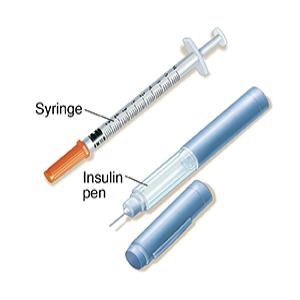
Insulin is the primary treatment for type 1 diabetes. If you have type 1 diabetes, your body doesn’t produce any insulin, which is necessary to regulate blood sugar levels. There are two main ways to receive insulin:
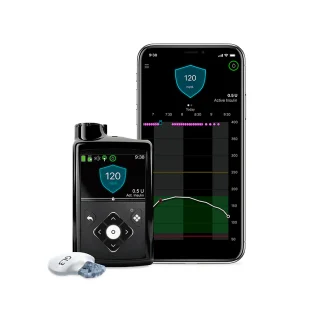
Insulin pump
This is a small device attached to your body that releases insulin continuously.
Insulin helps manage your blood sugar and prevents serious complications in the short and long term. In Kenya, many patients with type 1 diabetes rely on both public and private healthcare providers to access insulin.
Carb Counting
Carb counting allows people with type 1 diabetes to balance the amount of insulin they take with the carbohydrates they eat. This helps keep blood sugar levels stable. In Kenya, dieticians and diabetes care teams can assist you with learning how to count carbohydrates effectively. There are also apps available to help make these calculations easier.
Continuous Glucose Monitors (CGM) and Flash Glucose Monitors
Monitoring your blood sugar is critical. Traditionally, this involves finger prick tests, but using technology like Continuous Glucose Monitors (CGMs) or Flash Glucose Monitors can reduce the number of finger pricks and provide real-time insights into your blood sugar levels. These devices can help spot and treat low or high blood sugar (hypo or hyper) quickly.
In Kenya, access to this technology may be limited, but increasing availability and awareness are helping more people with diabetes manage their condition more efficiently.
Staying Active and Maintaining a Healthy Weight
Being physically active and maintaining a healthy weight are important for managing type 1 diabetes. Exercise helps your body respond better to insulin, and staying active can reduce the risk of insulin resistance. Whether it’s walking, cycling, or other forms of exercise, physical activity should be a regular part of your diabetes management plan.
Diabetes Education and Support
In Kenya, attending diabetes education programs and support groups can help you manage your condition. These programs provide practical advice on insulin usage, diet, and how to handle complications. The CliniQuest Research Site at St. Mary’s Mission Hospital in Nairobi is one example of a facility offering support and resources for people managing diabetes.
Other Medications
While insulin is the main treatment for type 1 diabetes, some people may also be prescribed Metformin, especially if they develop insulin resistance. Metformin is commonly used in people with type 2 diabetes but may also benefit some type 1 diabetes patients.
Is There a Cure for Type 1 Diabetes?
There is currently no cure for type 1 diabetes. However, researchers, including those in Kenya, are exploring treatments such as immunotherapies that aim to delay or stop the progression of the disease by reprogramming the immune system.
By understanding the symptoms and seeking prompt medical advice, you can manage diabetes effectively and prevent further complications.